

967 results found
Featured results

More results

Ahead of Climate Week NYC and the United Nations SDG Summit, both taking place this September in New York City, the GI Hub is publishing interviews with public and private sector leaders working at the municipal, state, national, and global levels – bringing you their thoughts on the importance of infrastructure in the climate transition. In this Q&A, John and Nivardo share how the FY2024 New York State Budget is accelerating investment in infrastructure toward climate targets and social equity.

We recently spoke with the GIIA’s new CEO, Jon Phillips, who shares his priorities, his thoughts on opportunities and challenges facing the infrastructure sector, and how the GIIA is responding.
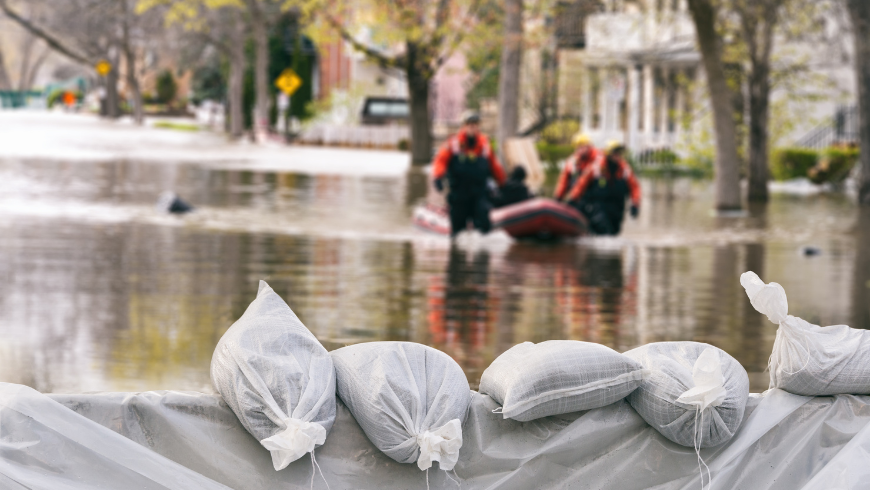
What qualifies as critical infrastructure, and what can governments and industry do to increase its resilience? We spoke to four experts for their perspectives.

The global pandemic and climate change concerns raised at COP26 have elevated awareness of the need to build sustainable and resilient infrastructure, in tandem with implementing adaptation strategies and governance through innovative and collaborative partnerships between the public and private sectors

This page discusses the need for legal reform to enhance the PPP environment in EBRD regions.
 Link
Link


This Public-Private Partnership (PPP) Handbook is designed for the staff of the Asian Development Bank (ADB) and its developing member countries' clients.
 Download the Handbook [PDF]

Chris Heathcote, Chief Executive Officer, Global Infrastructure Hub The first few weeks of President Donald Trump’s administration have been dominated by early efforts to deliver on some of his most contentious election promises. While the world watches every pronouncement and, indeed, every tweet, there is hope that attention will soon turn to one of his pledges on which there was consensus, a massive and long-overdue infrastructure overhaul across the United States.
Public management research contains little analysis on procurement cancellations – i.e. when contracts fail to make it through procurement, resulting in termination during the pre-award tender phase. Combining theoretical perspectives on administrative capacity and transaction costs, the authors investigate both the propensity and reasons for public procurement cancellations.
One of the main challenges in introducing PPPs lies in the proper definition of governance structures for all actors.

The core principle behind the PPP is the creation of a contractual bubble – a framework of contracts.

The IMF's Public Investment Management Assessment (PIMA) framework helps countries evaluate the strength of their PIM practices.
Public Investment Management Assessment (PIMA) is a comprehensive assessment framework developed by the IMF to help countries strengthen public investment management practices.
This paper examines the public finance underpinnings for an enhanced focus on different types of long-term investments as well as on operations and maintenance of existing investments.
Project preparation is a critical enabler of infrastructure development and has been identified as a key pillar in the G20 s strategic roadmap to develop infrastructure as an asset class.

Well-planned and prioritised infrastructure investment improves productivity, engenders competitiveness and contributes to long-term sustainable economic growth. Nevertheless, the extent of realising these benefits from infrastructure investment varies considerably across sectors, by regions and by level of regulatory and institutional maturity.

Communication throughout infrastructure project preparation should be recognised as a strategic activity. It should factor in the importance of all key stakeholder groups towards the project, tailor communicative actions to engage and inform them and foster a supportive environment.

Most infrastructure investment plans and government policies rely on the delivery of projects and programs. To achieve these and unlock the real benefits of infrastructure, it is vital that projects and programs are delivered well.
Tackling the global infrastructure gap remains a priority for governments to drive inclusive growth and deliver quality infrastructure projects for their citizens.

Globally, governments are accountable for the development of infrastructure and the delivery of basic services in an affordable and inclusive manner. The ability of governments to nurture a conducive enabling environment for infrastructure investment has often been found to be a key differentiator between countries that successfully scale up infrastructure and those that face challenges in doing so.

India’s project preparation framework is steered by its line ministries and sub-national governments, who are adopting a streamlined and systematic approach to project development. The capacity of public institutions to plan, prepare and deliver infrastructure projects is central to effective infrastructure development.
 Project Preparation Tool
Introduction: Laying the foundations and charting a way forward
Enabling environment: what are the prerequisites required to facilitate the preparation of quality infrastructure projects?
Financing project preparation: how can governments effectively utilise project preparation financing sources?
What are the benefits of well-planned and prioritised infrastructure investment?
How do you translate a concept into a bankable project?
How should governments communicate projects?
Project Preparation in Indonesia – how has the government attracted private participation?
Project Preparation Tool
Introduction: Laying the foundations and charting a way forward
Enabling environment: what are the prerequisites required to facilitate the preparation of quality infrastructure projects?
Financing project preparation: how can governments effectively utilise project preparation financing sources?
What are the benefits of well-planned and prioritised infrastructure investment?
How do you translate a concept into a bankable project?
How should governments communicate projects?
Project Preparation in Indonesia – how has the government attracted private participation?

