

1067 results found
Featured results


More results
The Global Toolbox provides an interactive inventory of MDB instruments, with their hyperlinks and comprehensive overviews, to support private investment across the globe.
 Link
Link

This website provides a set of resources on using performance based contracts to reduce non-revenue water. It includes tools and project preparation guidelines, case studies and training material.
The review consisted of a detailed assessment of the current institutional set-up, including roles and responsibilities for EE in Turkey, along with a comparison with international experience and best practices. A final set of institutional options and recommendations are provided at the end of the report.
 Download
This technical note provides an overview for authorities who wish to conduct flood hazard and risk assessments and who must develop a step-by-step plan for carrying out the assessment that is appropriate and feasible in the local context.
PPP webinars presents trending topics on PPPs and infrastructure, as well as the latest tools for practitioners, case studies, and presentations from experts.
This report assesses infrastructure PPP investments in an expanded list of Fragile and Conflict Affected States (EFCS2), as well as the PPP regulatory frameworks during the 2012-2016 period.
The checklist aims at providing a framework to ensure the mainstreaming of gender in the infrastructure sector throughout the project cycle.
This study reviews African Project Preparation Facilities, providing recommendations for their enhancement.
This publication discusses issues that characterise PPPs from the project selection stage until after the contract is signed.
Lifelines lays out a framework for understanding infrastructure resilience—the ability of infrastructure systems to function and meet users’ needs during and after a natural shock—and it makes an economic case for building more resilient infrastructure.
This report aims to inform water system managers on the importance of andmeasures to build the resilience of water service provision to natural hazards and climate riskswhile ensuring that water systems can safeguard service provision by reducing their exposure tothe risks associated with natural hazards.
The objective of this paper is to explore the impact of Uruguay's privatization and subsequent nationalization of water services on network access and water quality
This paper presents the state of infrastructure in developing Asian countries, in particular how the development of this infrastructure has correlated with past and current growth in Asia.
This paper provides a comprehensive overview of the issues, policies, and political economy of infrastructure investment, and a review of empirical literature of the relationship between growth and infrastructure within Asia.
This paper provides a review of the literature connecting housing, housing finance and the broader economy. It draws together work in these areas that are seldom part of the mainstream literature of economic development.
This paper argues that with the rapid urbanization in Southeast Asia, local government units (LGUs) in Southeast Asia are comparable to their counterparts in Canada and therefore should move to a comprehensive/beneficial asset management system.
This policy brief reviews two aspects of independent regulation: institutional efficacy, including primarily autonomy, capacity, and accountability; and the mode of regulation, or the regulator's functional scope. Recommendations are made in the policy brief relating to the entire regulatory process.
This paper reviews the literature on the impact of physical infrastructure on development and issues surrounding the analysis of the effects of infrastructure on development indicators such as poverty.
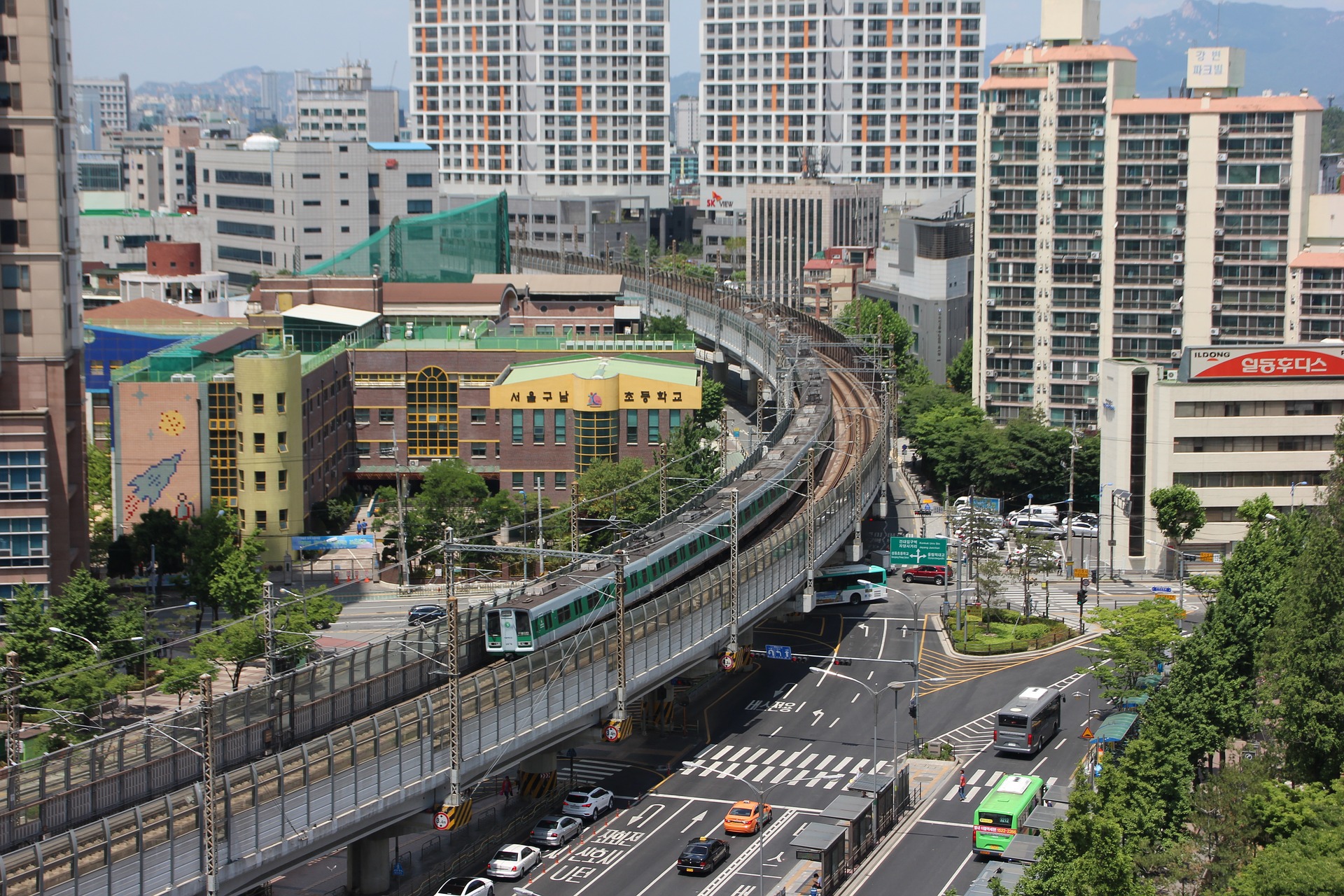
The Global Infrastructure Hub (GI Hub) has collaborated on this blog with Seungbeum Rho, a Specialist at the Korea Development Institute (KDI). This blog outlines some of the lessons learned in Korea on the topic of project preparation, which can be found in more detail in the GI Hub’s Reference Tool on Governmental Processes Facilitating Infrastructure Project Preparation.
 Project Preparation Tool
Introduction: Laying the foundations and charting a way forward
Enabling environment: what are the prerequisites required to facilitate the preparation of quality infrastructure projects?
Financing project preparation: how can governments effectively utilise project preparation financing sources?
What are the benefits of well-planned and prioritised infrastructure investment?
How do you translate a concept into a bankable project?
How should governments communicate projects?
Project Preparation in Indonesia – how has the government attracted private participation?
Project Preparation in India – how specialised institutional structures help in planning complex projects
Project Preparation Tool
Introduction: Laying the foundations and charting a way forward
Enabling environment: what are the prerequisites required to facilitate the preparation of quality infrastructure projects?
Financing project preparation: how can governments effectively utilise project preparation financing sources?
What are the benefits of well-planned and prioritised infrastructure investment?
How do you translate a concept into a bankable project?
How should governments communicate projects?
Project Preparation in Indonesia – how has the government attracted private participation?
Project Preparation in India – how specialised institutional structures help in planning complex projects

Focused on the electricity system, BloombergNEF s (BNEF s) New Energy Outlook (NEO) combines the expertise of over 65 market and technology specialists in 12 countries to provide a unique view of how the market will evolve. Each year BNEF makes a number of changes to NEO as they strive to improve the completeness and complexity of their analysis. Click on the link to BNEF s website to see the 10 key findings.

