

967 results found
Featured results

More results
The Decision Tree Framework is a robust decision scaling approach from the World Bank that provides resource-limited project planners and program managers with a cost-effective and effort-efficient, scientifically defensible, repeatable, and clear method for demonstrating the robustness of a project to climate change.


Government Guidance on sourcing and contracting public works projects and programmes
 View the framework
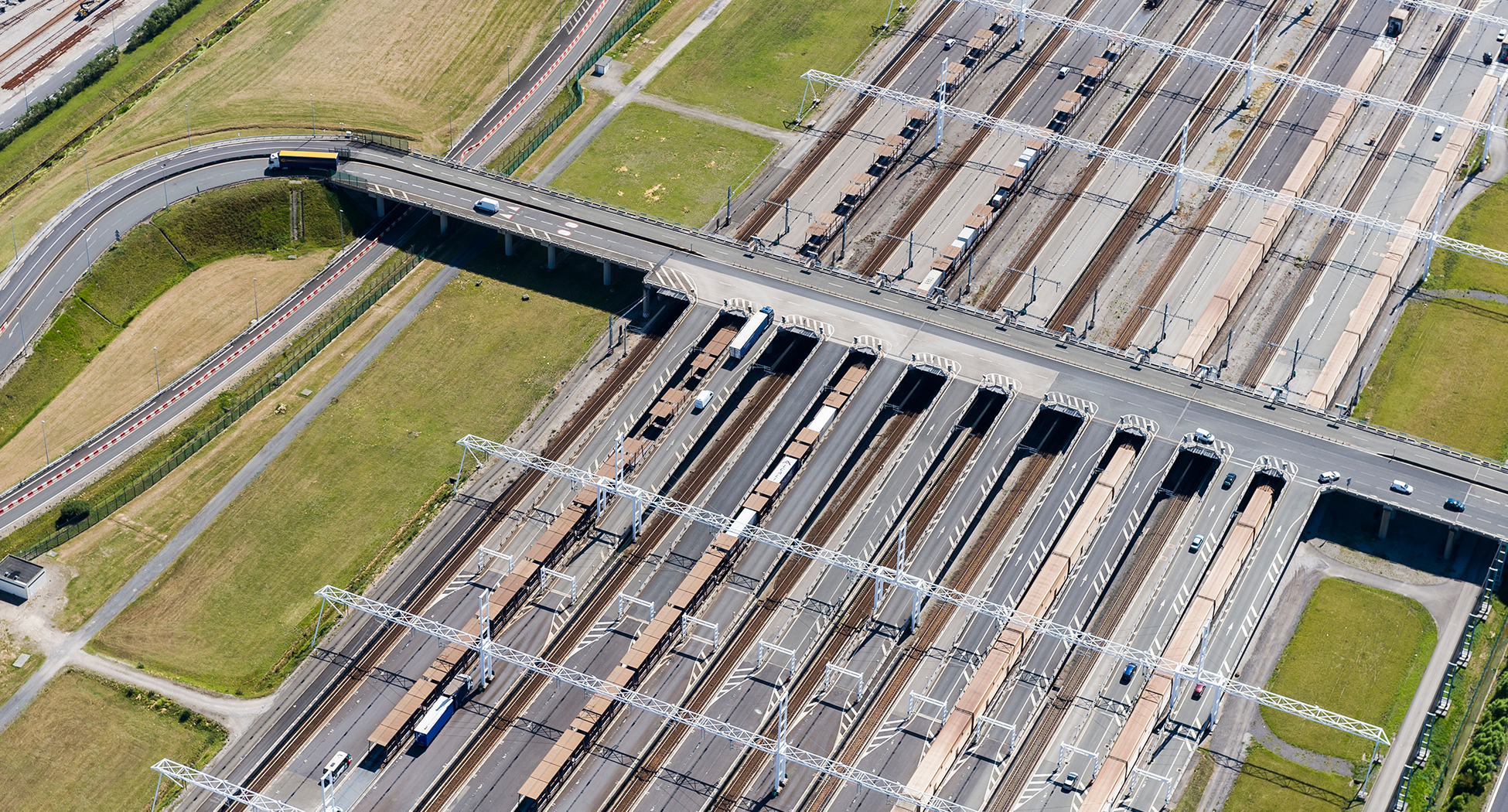
The Channel Tunnel is a roughly 50 kilometre-long rail tunnel linking Folkestone, Kent, in England, with Coquelles, Pas-de-Calais, near Calais in northern France, beneath the English Channel at the Strait of Dover.
 Download the case study [PDF]
The Blue Dot Network aims to help mobilise private sector investment by identifying and encouraging market-driven, transparent, and sustainable infrastructure projects. It establishes a voluntary, private-sector focused, government-supported project-level certification that aligns with the G20 Principles for Quality Infrastructure Investment, the UN Sustainable Development Goals, the International Finance Corporation (IFC) Performance Standards, the Equator Principles, the OECD Guidelines for Multinational Enterprises, and the OECD Recommendation on the Governance of Infrastructure.
This is a practical guide describing "how to design, implement, and measure progress with regard to knowledge exchange initiatives," according to the World Bank's summary.
This guide outlines five steps in the context of achieving a knowledge exchange, (i) Anchor the knowledge exchange, (ii) Define the knowledge exchange, (iii) Design and develop the knowledge exchange, (iv) Implement the knowledge exchange, (v) report the results. Case studies from South America and Africa are discussed with reference to this guide. This is the second edition of the document updated in 2015.
This guide outlines five steps in the context of achieving a knowledge exchange, (i) Anchor the knowledge exchange, (ii) Define the knowledge exchange, (iii) Design and develop the knowledge exchange, (iv) Implement the knowledge exchange, (v) report the results. Case studies from South America and Africa are discussed with reference to this guide. This is the second edition of the document updated in 2015.
This guide outlines five steps in the context of achieving a knowledge exchange, (i) Anchor the knowledge exchange, (ii) Define the knowledge exchange, (iii) Design and develop the knowledge exchange, (iv) Implement the knowledge exchange, (v) report the results. Case studies from South America and Africa are discussed with reference to this guide.

In this article, the authors explore the successes and failures of the built environment’s digital transformation to date, why the Smart City concept is necessary but not sufficient and 3 steps for achieving the Adaptive City of the future – one which works for everyone.

The Asian Infrastructure Investment Bank (AIIB) platform takes a holistic approach to financing support for the development and deployment of technology for infrastructure projects. This support is in the form of knowledge, networks, capital, innovation services and regulatory dialogue with members, investment leads, and clients.
 Global Infrastructure Outlook
The Thames Tideway Tunnel is an interceptor sewer being constructed in central London to control the 39 million tonnes of untreated sewerage that flows in to the Thames River on an annual basis

London relies on a 150-year-old sewer system built for a population less than half its current size. As a result, millions of tonnes of raw sewage overflow the system each year and end up in the River Thames. The GBP4.2 billion (USD5.7 billion) Thames Tideway Tunnel (TTT) is being built to tackle the problem for at least the next 120 years and enable the United Kingdom to meet European environmental standards.
This report provides a view on the Chongqing area and argues three dimensions of connectivity can be improved: physical (infrastructure) connectivity, digital connectivity, and economic integration with nearby areas, the report then provides a strategy on how to carry this out.
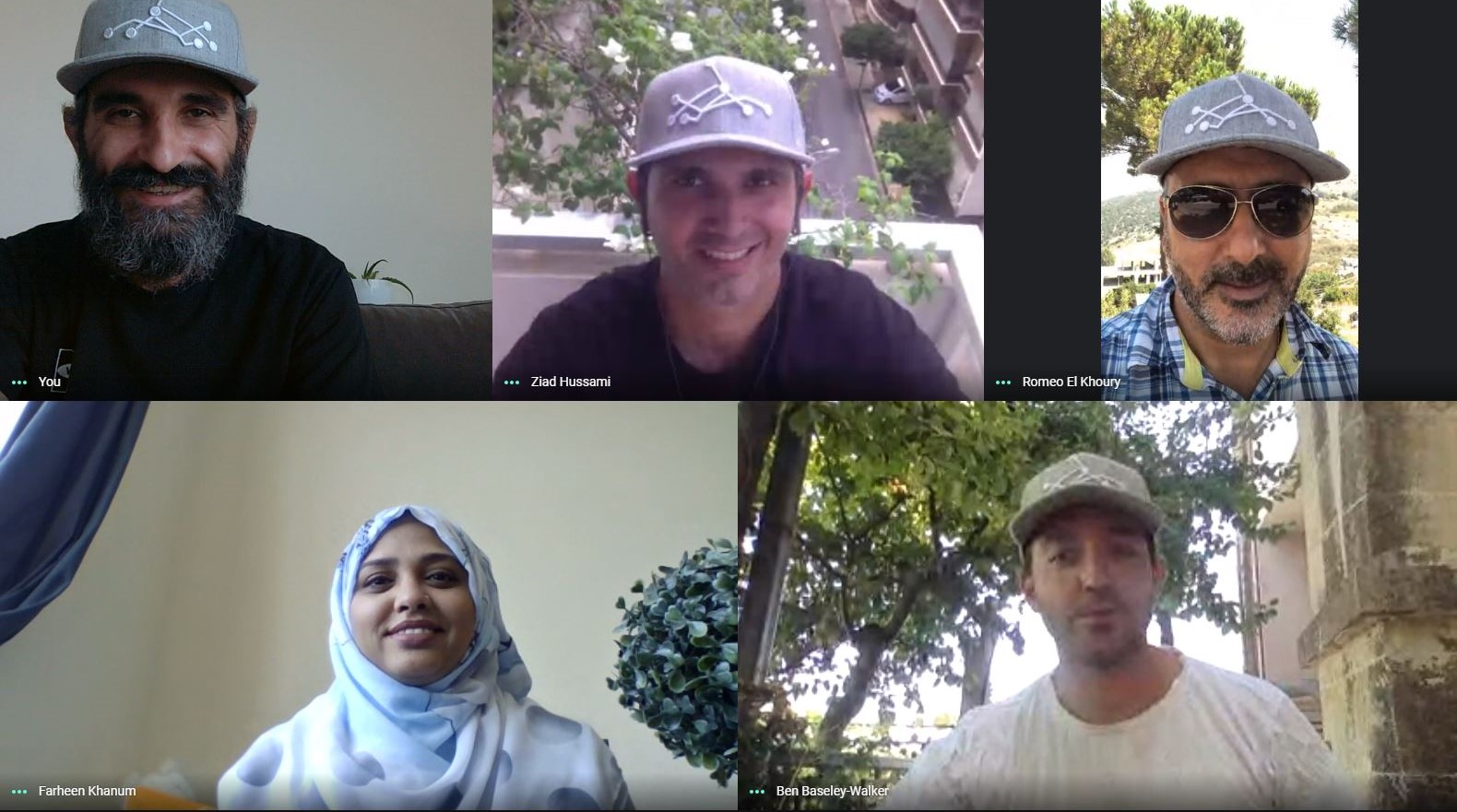
Low-cost, rapid tech solution for refugee camps and global urbanisation takes home InfraChallenge 2020

AreA is a platform designed to change the way renewable energy is procured in developing countries, created by Greenmap , a non-profit organisation aimed at scaling up cheaper and faster renewable energy deployment in emerging economies

TEAM2100 is delivering the first 10 years of the Thames Estuary Asset Management Programme. The programme covers tidal flood defences as recommended by the 100-year Thames Estuary 2100 (TE2100) plan, which sets out how to manage increasing tidal flood risk from rising sea levels and deteriorating assets to the end of the century.

An summary of the key takeaways of G20 and World Bank-IMF Annual Meetings in Marrakech in October 2023.
Switzerland has a federal governance structure with three levels of government: Confederation (national), cantons (states), and communes (local).

Learn how the transition pathways for sustainable infrastructure link long-term sustainability goals with infrastructure plans.

