

1740 results found
Featured results

More results

Can investment in infrastructure fuel economic recovery? Is there a role for infrastructure in the transition to a circular economy? Hear what insights GI Hub's CEO, Marie Lam-Frendo shared in this interview for the official G20 Italy: The 2021 Rome Summit publication.
 InfraCompass

The urgent need for resilient infrastructure is widely acknowledged as pressure mounts on governments around the world to drive a post-pandemic recovery that embodies the promise of ‘building back better.’ Today, we look at what the pandemic has shown us about resilience in infrastructure and what resilient infrastructure might look like in the future.

Participating in tenders abroad might not be the right strategy for every construction company, nor is it a priority for every tendering authority to attract foreign bidders.
 Download

The paper discusses the state and the way forward for Africa's infrastructure, with a strong focus on quality infrastructure.

Building Information Modelling (BIM) is a digital representation of an asset(s) that can be used in infrastructure delivery from planning through to Operation, Management and Maintenance (OMM). SNCF Gares & Connexions (SNCF), a rail station developer, operator and manager in France found that as it developed its stations and services resulting in increased passengers, it required a greater technical understanding of these assets. SNCF Gares & Connexions ( SNCF) looked to BIM as a solution but found that existing BIM solutions did not adequately meet all its requirements.

An infrastructure outlook on Indonesia to 2025. A publication by the PwC.
An infrastructure outlook on Indonesia to 2025. A publication by the PwC.
The Budget Facility for Infrastructure (BFI) is a reform to the budget process that supports the execution of national priority projects by establishing specialised structures, procedures and criteria for committing fiscal resources to public infrastructure spending.
The report provides policy and regulatory options for increasing effective use of existing fixed and mobile infrastructure as well as alternative infrastructure networks such as power grids and railroads.
This report looks at the nature of Variable Renewable Energy (VRE) and the resulting challenges associated with the integration of VRE technologies into a power system. It provides an overview of the measures available to limit and manage these challenges. This report highlights the importance of increased flexibility when integrating high levels of VRE, and focuses on two sets of options to provide such flexibility: natural gas-fired power generation technologies and energy storage.

This publication from the IADB his publication covers PPPs with a focus on the implications for public finances in developing economies.

GI Hub CEO Marie Lam-Frendo discusses energy storage's disruptive potential and how its future is becoming increasingly important in light of the trends in global energy supply and demand.
BCG has identified a series of best practices that underlie successful PPPs.
This timely report presents the findings of an initial Asian Development Bank impact study on the roll-on/roll-off system in the Philippines.
Safety and sustainability of existing bridges require rational bridge management systems to recommend Maintenance, Repair and Replacement (MR&R) actions.
This report shows how competition policy can help African countries boost inclusive and sustainable development, the report outlines how competition policy can boost key sectors competition standards and legal/policy frameworks.
Brazil is positioned to attract more private sector investment into infrastructure and to bring further bankable projects to market following an 18-month engagement program between the Global Infrastructure Hub (GI Hub) and the Brazilian Government
Brazil's regulatory environment supports the creation of businesses and provides a high level of protection for insolvency. This promotes competition between suppliers which, coupled with a resilient financial sector, helps to attract capital supply for infrastructure projects.
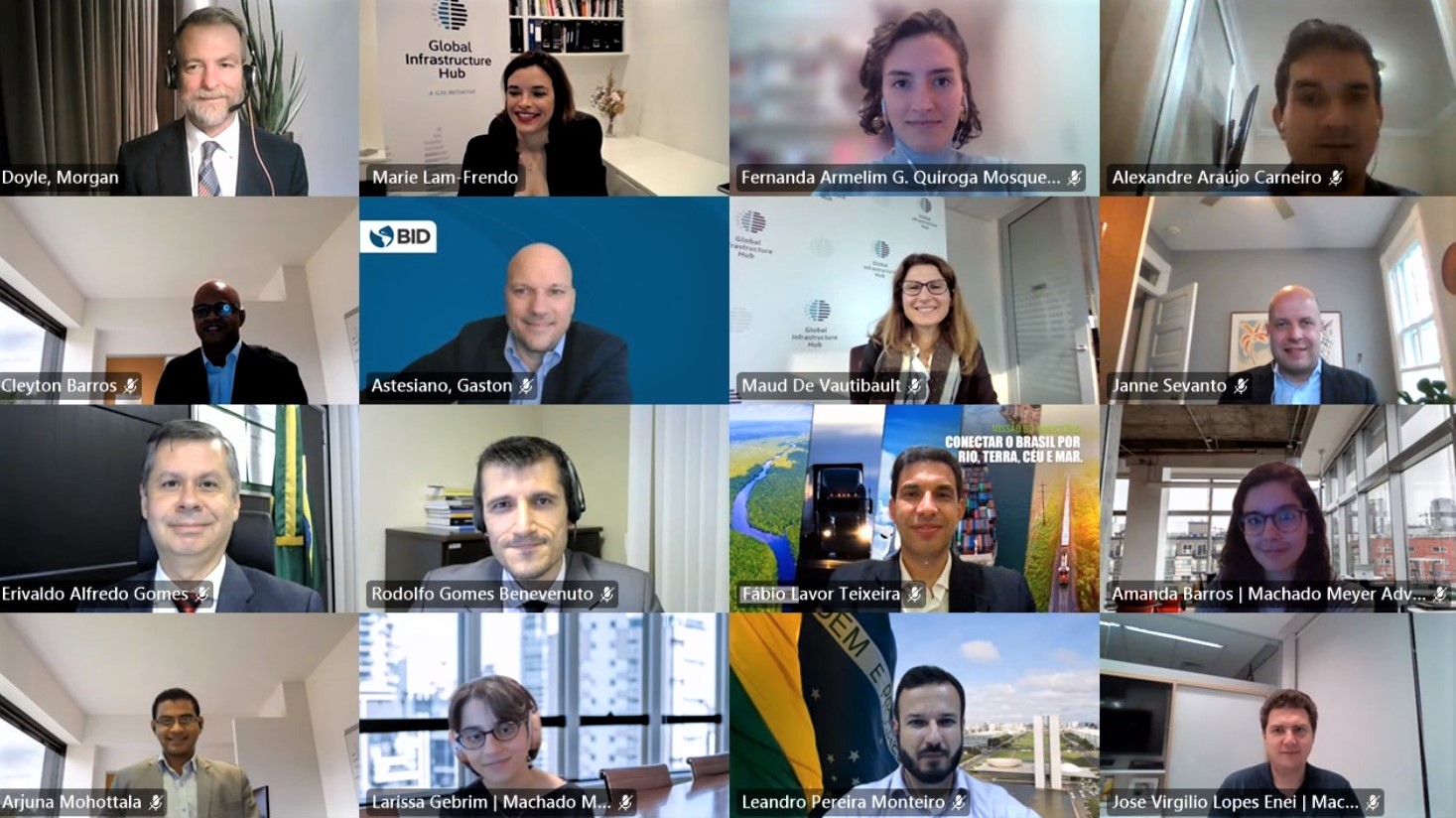
Brazil is positioned to attract more private sector investment into infrastructure and to bring further bankable projects to market following an 18-month engagement program between the Global Infrastructure Hub (GI Hub) and the Brazilian Government.
 View Brazil's Ministry of Economy media release (Portuguese)

Brabo 1 Light Rail is the first PPP project for public transport in Flanders, Belgium. The project was procured by two Procuring Authorities under two separate contracts.

