

161 results found
Featured results

More results

The ability of MDBs to maintain their central role in sustainable development in developing countries hinges on the banks’ ability to increase investing capacity and meet the needs of those countries.

Founded in 2022, the GI Hub’s Private Sector Advisory Council (PSAC) acts as a crucial bridge for dialogue, input, and action that aims to increase private sector participation in sustainable infrastructure.
 Infrastructure Monitor

How can collaboration models and public intervention close the infrastructure gap to increase the value that 5G brings?

Andrew Savage, Vice President of Sustainability at Lime – the world’s largest shared electric vehicle company, explains what Lime is doing to build a future where transportation can be shared, affordable, and carbon-free.

We recently spoke with the GIIA’s new CEO, Jon Phillips, who shares his priorities, his thoughts on opportunities and challenges facing the infrastructure sector, and how the GIIA is responding.



Coastline traffic in the State of São Paulo, Brazil, has overwhelmed road capacity. Three highway concession contracts were introduced, using a demand risk sharing mechanism and dynamic user fee model to attract private sector participation.
 State Coastline road concession

The USD 244M1 Elazig hospital Public-Private Partnership (PPP) project is part of the 'Health PPP' program developed by the Turkish Ministry of Health (MoH), to extend and modernize the country's healthcare
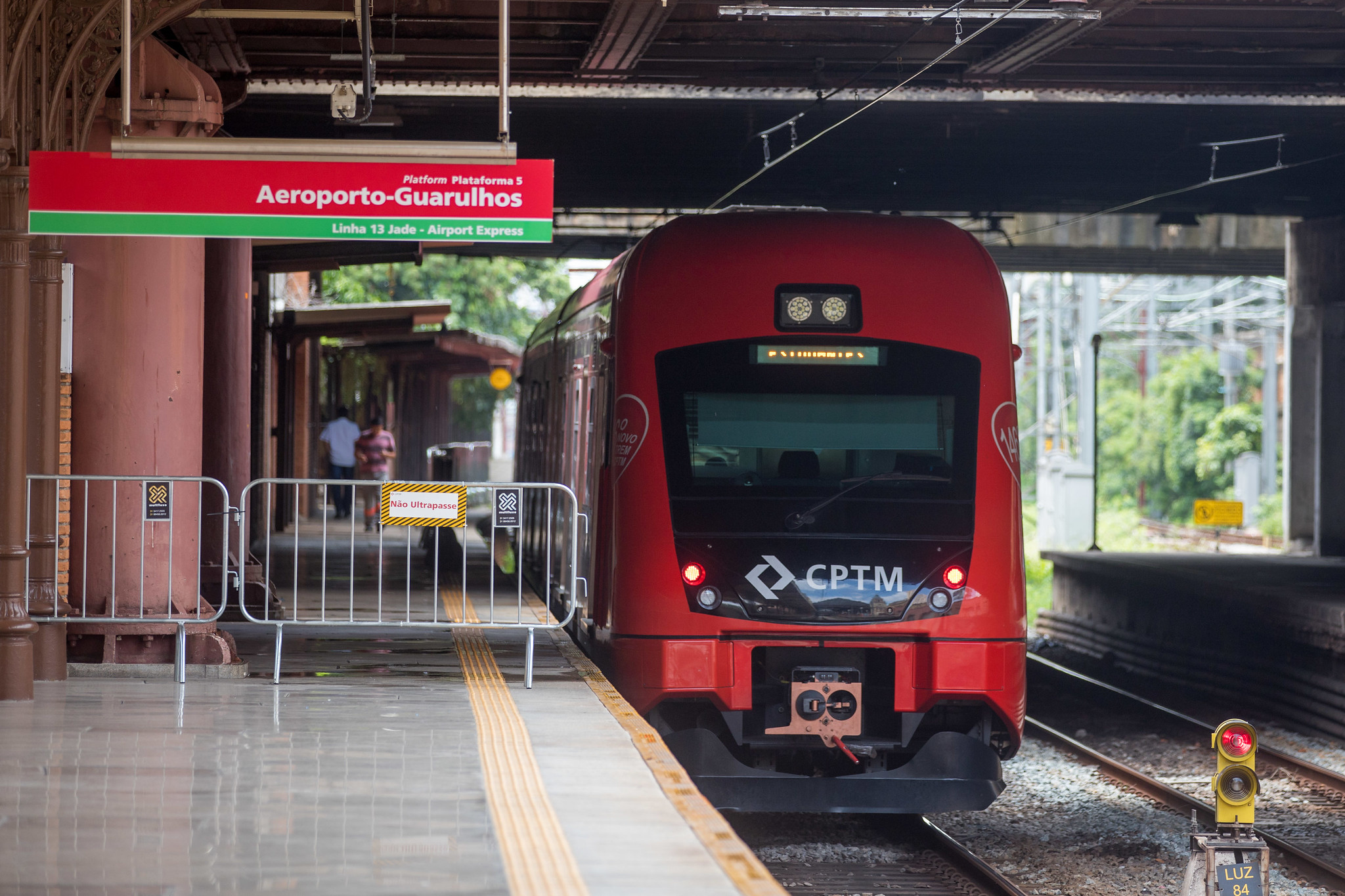
Pre-COVID-19, two Sao Paulo metro lines carried 1 million passengers daily. A demand sharing mechanism encouraged private sector investment in the concession contract.
 Project description
The PPP procurement model ensured that tenders are offered at the individual project level
In the late 1990s, the National Health Service (NHS) was struggling with its numerous rundown health facilities. New buildings were needed, particularly where old facilities were obsolete, often in the poorest areas of the country
The planned 750MW Rewa Solar Project in the state of Madhya Pradesh will be one of the world's largest solar photovoltaic (PV) projects

Asia long faced a gap of investment capital available for infrastructure projects

As of 2016, Sterlite has a total portfolio of 10 projects worth USD 1.5B, four of which are fully operational, two partially operational and four under construction

In 2005, DC Water entered into an agreement with the EPA, establishing a 20 year plan worth c. USD 2.6B in planned investments to reduce 1 Combined Sewer Overflows (CSO) by 96%
Between 20 and 40 percent of the annual correctional population is homeless and has an arrest record for nonviolent nuisance crimes
The budget for federal rental assistance has long been insufficient and regularly reduced or threatened with complete removal across different political cycles
The development of credit ratings for loans in emerging countries is critical for accessing capital markets
The African Development Bank (AfDB) is mandated to drive social and economic development in Africa through multiple project types including infrastructure

To ease traffic congestion and reduce travel time between downtown Montreal, its suburbs and airport, CDPQ Infra sought to develop a 67km light rail transit (LRT) project, spanning 26-stations

The Uruguayan government planned to diversify its energy mix, reducing its heavy reliance on hydropower and imported fossil fuels during drought seasons
Uganda is targeting a 22% emissions reduction from a business-as-usual scenario by 2030.
Uganda is targeting a 22% emissions reduction from a business-as-usual scenario by 2030. A run-of-river hydropower station project lowered energy costs and reduced greenhouse gas emissions.

Brazil has a policy named Urban Operations which is used to promote requalification of underdeveloped urban areas through PPPs

