
Articles
Filter by
196 results found

Articles
Inadequate financing for project preparation can result in projects being taken to procurement without the requisite readiness, which can lead to cost and time overruns during implementation, or a project that is not well-suited to the needs of the public.
Read time: 5 minutes
Published
19 Mar 2019
View article


Articles
The Global Infrastructure Hub (GI Hub) has collaborated on this blog with Seungbeum Rho, a Specialist at the Korea Development Institute (KDI). This blog outlines some of the lessons learned in Korea on the topic of project preparation, which can be found in more detail in the GI Hub’s Reference Tool on Governmental Processes Facilitating Infrastructure Project Preparation.
Read time: 5 minutes
Published
22 Aug 2019
View article

Articles
Most infrastructure investment plans and government policies rely on the delivery of projects and programs. To achieve these and unlock the real benefits of infrastructure, it is vital that projects and programs are delivered well.
Read time: 5 minutes
Published
23 Apr 2019
View article

Articles
The global pandemic and climate change concerns raised at COP26 have elevated awareness of the need to build sustainable and resilient infrastructure, in tandem with implementing adaptation strategies and governance through innovative and collaborative partnerships between the public and private sectors
Read time: 4 minutes
Published
18 Feb 2022
View article

Articles
We ask the Miundo Misingi Hub’s Founder and Chief Executive Officer, Johnson Kilangi, for his views on how sustainable and socially responsible projects yield long-term benefits, and how capacity building is key to improving infrastructure development and inclusive growth across Africa.
Read time: 4 minutes
Published
03 Oct 2023
View article

Articles
Vicki Cerullo, Acting Executive Director, New York City (NYC) Mayor’s Office of Climate & Environmental Justice, explains the city’s latest action plan for a cleaner, greener, and more just city, and outlines the plan’s key initiatives, and achievements.
Read time: 6 minutes
Published
19 Sep 2023
View article

Articles
India’s project preparation framework is steered by its line ministries and sub-national governments, who are adopting a streamlined and systematic approach to project development. The capacity of public institutions to plan, prepare and deliver infrastructure projects is central to effective infrastructure development.
Read time: 6 minutes
Published
13 Jun 2019
View article

Articles
Globally, governments are accountable for the development of infrastructure and the delivery of basic services in an affordable and inclusive manner.
The ability of governments to nurture a conducive enabling environment for infrastructure investment has often been found to be a key differentiator between countries that successfully scale up infrastructure and those that face challenges in doing so.
Read time: 3 minutes
Published
26 Feb 2019
View article

Articles
Communication throughout infrastructure project preparation should be recognised as a strategic activity. It should factor in the importance of all key stakeholder groups towards the project, tailor communicative actions to engage and inform them and foster a supportive environment.
Read time: 4 minutes
Published
09 May 2019
View article

Articles
EBRD’s Director of Sustainable Infrastructure Policy and Project Preparation Matthew Jordan-Tank shares insights on how Egypt’s 6th of October Dry Port supports sustainable infrastructure development.
Read time: 5 minutes
Published
25 Jan 2023
View article

Articles
We recently spoke with the GIIA’s new CEO, Jon Phillips, who shares his priorities, his thoughts on opportunities and challenges facing the infrastructure sector, and how the GIIA is responding.
Read time: 6 minutes
Published
22 Nov 2023
View article

Articles
Ahead of Climate Week NYC and the United Nations SDG Summit, both taking place this September in New York City, the GI Hub is publishing interviews with public and private sector leaders working at the municipal, state, national, and global levels – bringing you their thoughts on the importance of infrastructure in the climate transition. In this Q&A, John and Nivardo share how the FY2024 New York State Budget is accelerating investment in infrastructure toward climate targets and social equity.
Read time: 5 minutes
Published
05 Sep 2023
View article

Articles
Although Indonesia’s PPP regulations date back to 2005, initially the number of actual project transactions between the government and private sector was very limited. The private sector’s interest in Indonesian projects was constrained by three main factors; the low quality of project preparation, low financial feasibility of projects (particularly those related to the determination of tariffs) and uncertainty related to the political risk of projects.
Read time: 4 minutes
Published
23 May 2019
View article
Reports and reference guides
Tackling the global infrastructure gap remains a priority for governments to drive inclusive growth and deliver quality infrastructure projects for their citizens.
Read time: 3 minutes
Published
01 Feb 2019
View article

Articles, Other
Well-planned and prioritised infrastructure investment improves productivity, engenders competitiveness and contributes to long-term sustainable economic growth. Nevertheless, the extent of realising these benefits from infrastructure investment varies considerably across sectors, by regions and by level of regulatory and institutional maturity.
Read time: 4 minutes
Published
04 Apr 2019
View article
Articles
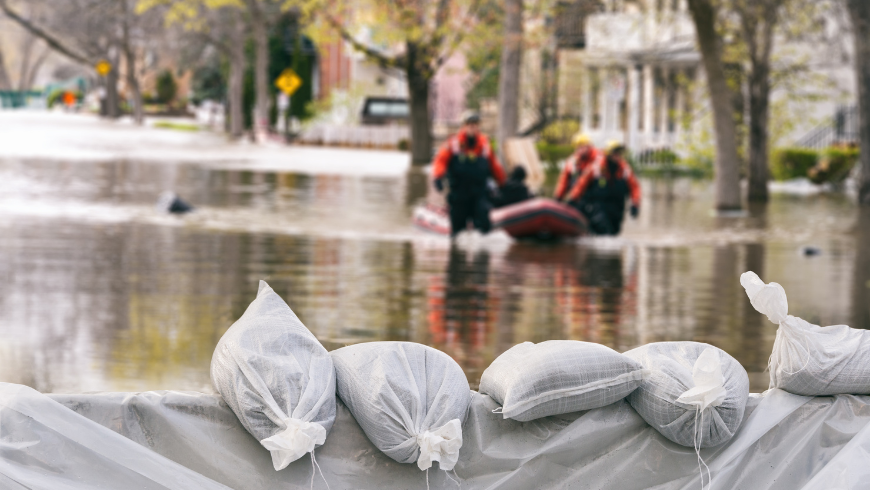
What qualifies as critical infrastructure, and what can governments and industry do to increase its resilience? We spoke to four experts for their perspectives.
Read time: 6 minutes
Published
03 Feb 2023
View article

Articles
Andrew Savage, Vice President of Sustainability at Lime – the world’s largest shared electric vehicle company, explains what Lime is doing to build a future where transportation can be shared, affordable, and carbon-free.
Read time: 8 minutes
Published
21 Sep 2023
View article

Articles
In this Q&A, Philippe explains how PIDG’s 2023-30 Strategy positions action on climate, nature, and sustainability through infrastructure as central to their purpose.
Read time: 6 minutes
Published
08 Sep 2023
View article

