
Articles
Filter by
196 results found

Articles
Amidst rising interest rates and soaring inflation, infrastructure debt is an increasingly attractive investment strategy for private investors. Alex Murray, Vice President, Research Insights, Preqin explores this trend and what it means for infrastructure investments.
Read time: 5 minutes
Published
15 Feb 2023
View article


Published
05 Feb 2020
View article

Articles
To close the infrastructure gap in a sustainable recovery, we need more greenfield infrastructure, with environmental sustainability at its core. This requires innovative funding models and public-private partnerships (PPPs), particularly in emerging economies where private investors are more reluctant to invest and greenfield infrastructure need is greatest.
Read time: 6 minutes
Published
03 Dec 2021
View article

Articles
Public investment is 83% of all investment in infrastructure, and lack of data about how this investment is prioritised and allocated impedes private participation and investment. The GI Hub’s InfraTracker is the first annual tracker of public investment in infrastructure for the G20. This article delves into how we estimate public investment priorities, and why doing so isn’t as straightforward as it may seem.
Read time: 7 minutes
Published
10 May 2023
View article

Articles
Delivering quality infrastructure will increasingly become a key priority for governments globally, requiring substantial investment from both the public and the private sectors.
Read time: 5 minutes
Published
09 Jul 2021
View article
In this article, we explain the regulatory barriers that face the infrastructure asset class and that discourage the uptake of commonly used credit-risk mitigation instruments, and how we are working toward addressing these challenges.
Articles
In this article, we explain the regulatory barriers that face the infrastructure asset class and that discourage the uptake of commonly used credit-risk mitigation instruments, and how we are working toward addressing these challenges.
Read time: 6 minutes
Published
15 Sep 2023
View article

Articles
Although the topic of infrastructure may not attract bold headlines, the reality in many parts of the world is that the inadequate provision of critical infrastructure...
Read time: 4 minutes
Published
12 Oct 2017
View article

Articles
Brazil has become the largest market for public-private partnerships (PPPs) in Latin America, having invested around USD $386 billion in infrastructure from 1990 to 2017
Read time: 2 minutes
Published
11 Apr 2018
View article
Articles
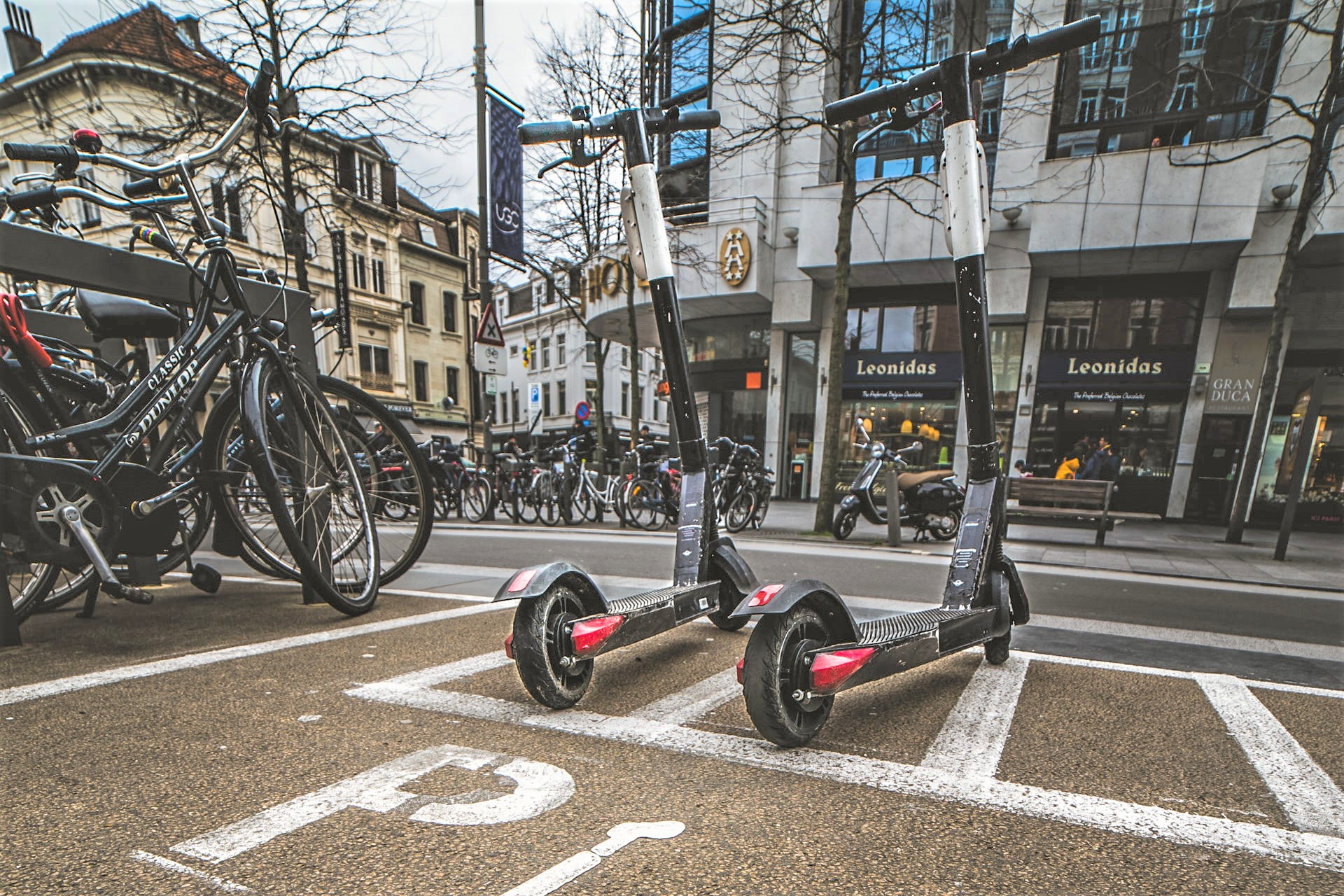
The COVID-19 pandemic has disrupted all of our lives. And amidst the crisis it is impossible to envision how long it will last, or how life will be different once it is over. On the issue of mobility, however, a recent report by McKinsey & Co offers an optimistic forecast: this short period of disruption won’t affect existing major trends.
Read time: 3 minutes
Published
20 Aug 2020
View article

Articles
Mentors have played a vital role in supporting the top 20 teams hone their applications for the Global Infrastructure Hub’s (GI Hub) InfraChallenge competition, despite the challenges of a global pandemic.
Read time: 4 minutes
Published
06 Aug 2020
View article

Articles
Small, steady and incremental reforms can have a major impact on driving sustainable, resilient and inclusive infrastructure.
Read time: 3 minutes
Published
03 Sep 2020
View article

Articles
With a growing global focus on attracting private sector investment into infrastructure and utilising the public-private partnership (PPP) model, it is crucial that governments focus on the entire duration of a PPP contract. Efforts need to extend beyond ‘achieving financial close’ and beginning construction or ‘cutting the ribbon’ for commencement of services.
Read time: 4 minutes
Published
06 Sep 2018
View article

Articles
Alexandra Bolton, Executive Director of the Centre for Digital Built Britain shares why we need to invest in digital capabilities to improve infrastructure delivery.
Read time: 5 minutes
Published
11 Feb 2022
View article

Articles
Is ESG investment just a passing fad? What is the future of China’s Belt and Road Initiative? And does the Covid-19 pandemic mean we must reassess climate change targets? Our CEO Marie Lam-Frendo answers questions on the future of infrastructure.
Read time: 5 minutes
Published
02 Jul 2020
View article

Articles
Read time: 5 minutes
Published
12 Sep 2023
View article

Articles
Transparency International Australia is launching a new project to identify the loopholes that enable corruption to thrive in the infrastructure sector in the Asia-Pacific region.
The first step in this project is the development and testing of a new tool, to help understand corruption risks in transnational infrastructure projects in the Asia-Pacific region. The Infrastructure Corruption Risk Assessment Tool will help its users identify, assess and address corruption risks in the process of approving infrastructure projects.
The global demand for infrastructure, and many governments’ eagerness to facilitate large volumes of infrastructure spending, means this tool comes at a critical time. Many countries, including the UK, Australia and France, as well as countries in the Asia-Pacific, have responded to the economic downturn caused by the coronavirus pandemic with commitments to boost infrastructure spending. While this increased funding is welcome, it comes with an increased risk of corruption.
Read time: 6 minutes
Published
09 Jun 2021
View article
Articles
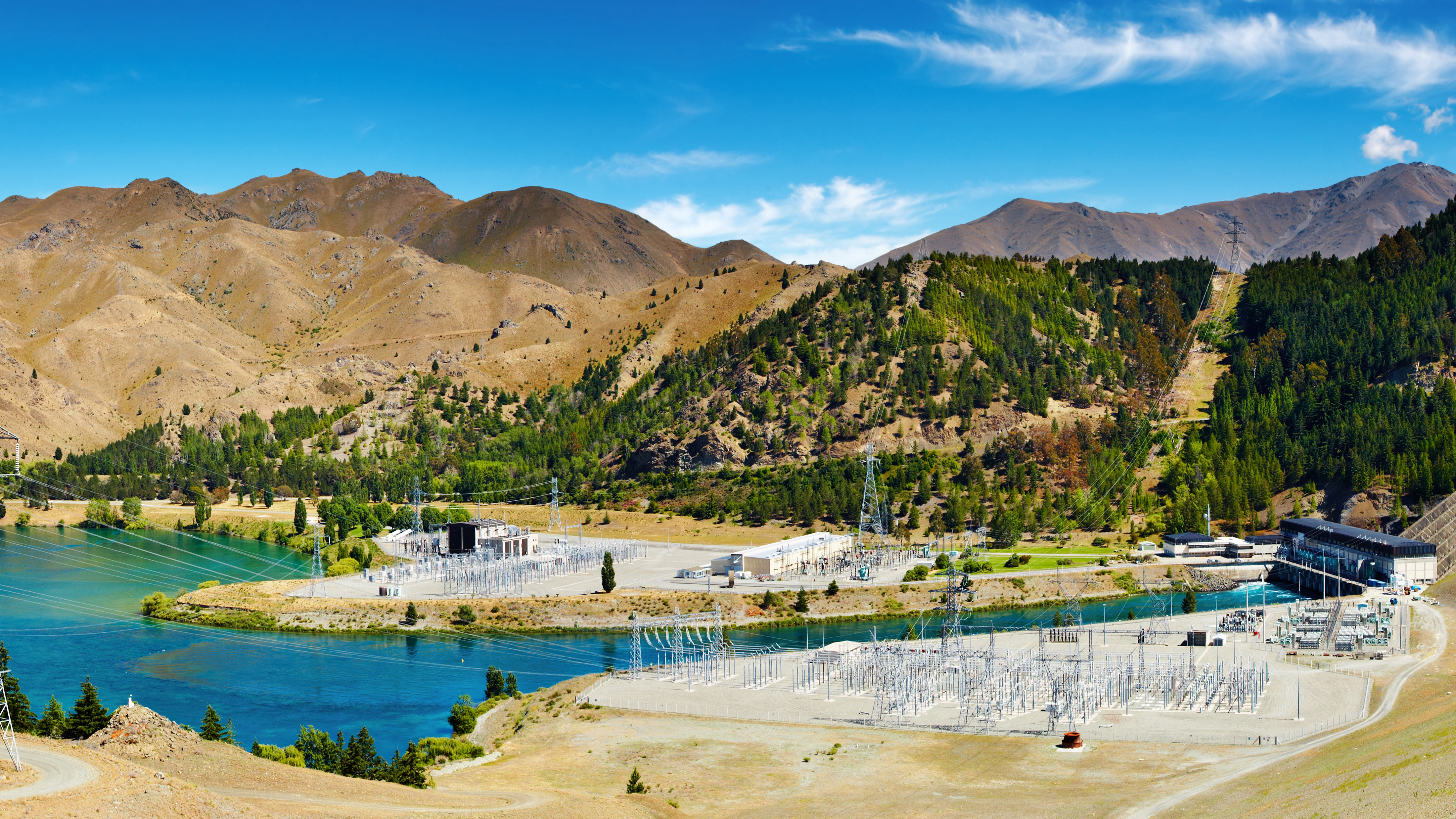
The wellbeing of natural resources, people and communities emphasised in New Zealand.
Read time: 3 minutes
Published
01 Dec 2020
View article

Articles
By their very nature as long-term large infrastructure projects, public-private partnership (PPP) projects involve a vast array of interconnecting relationships. Core to any PPP project is the long-term contractual relationship between the government’s procuring authority and the private party (the project company). This is one of many relationships that will affect the success of a PPP.
Read time: 4 minutes
Published
31 Oct 2018
View article

