

934 results found
Featured results

More results

Automated welding technologies used for pre-fabrication of pipes, tanks and treatment plants to reduce construction costs and project timeframes.
 Download the case study [PDF]
The Australian Infrastructure 2019 Audit covers transport, energy, water, telecommunications and for the first time social infrastructure, and looks at the major challenges and opportunities facing Australia s infrastructure over the next 15 years and beyond. They have presented their findings in terms that matter to users, by focusing on outcomes for them. The hope is that this enhanced focus on users, and the role infrastructure can play in improving their quality of life, helps to drive better decisions that are rooted in the long-term interests of Australians.
 Link
Link


Augmented Reality (AR) and Virtual Reality (VR) can be used to deploy training programs and assist workers in performing asset inspections and maintenance works.
This publication discusses issues that characterise PPPs from the project selection stage until after the contract is signed.
This publication identifies specific infrastructure and utility service reform measures that can be taken to advance the interests of the poor.
Through maps, charts and images, the Atlas combines scientifically reliable data sources to provide a complete view of Africa’s energy needs, resources and opportunities.
This study reviews African Project Preparation Facilities, providing recommendations for their enhancement.
This book questions the premise that Public-Private Partnerships (PPPs) have a performance advantage over traditionally procured projects. It examines novel research comparing the differences in performance between PPP and traditionally procured infrastructure projects and thoughtfully scrutinises the supposed advantages of PPPs.
The paper discusses project preparation and procurement approaches adopted in Latin America and the Caribbean and how sustainability is incorporated into these.
The objective of this study is to was to analyze how processes of social exclusion created barriers to social mobility among the poor in Brazil, the better to identify some policy levers or interventions that could be used to remove those barriers and contribute to more effective poverty alleviation and social inclusion.

Climate change poses a significant threat to infrastructure, with rising sea levels, extreme weather phenomena, and escalating temperatures posing substantial physical risks. These hazards can lead to the degradation of crucial infrastructure assets, undermining social, economic, and environmental stability. Recent analysis by EDHECInfra, as featured in the Global Infrastructure Hub's Infrastructure Monitor report, underscores the scale of the situation. Projections based on current climate and policy scenarios indicate that by 2050, infrastructure assets could see a net value decline of 4.4% on average, and up to 26.7% in the most severe scenarios. This depreciation is a direct consequence of the lack of resilience of global infrastructure to the effects of climate change. The consequences of inaction are far-reaching, affecting not just the financial performance of assets, but also the economic, environmental, and social fabric of communities worldwide. One promising strategy to mitigate these risks involves the adoption of a systemic resilience metrics (SRM) framework tailored specifically to infrastructure.


AsianInvestor interviews our CEO on the critical role of investors in promoting net-zero targets in infrastructure
 Accelerating Private Capital Mobilisation for Infrastructure: Introducing the GI Hub’s Private Sector Advisory Council
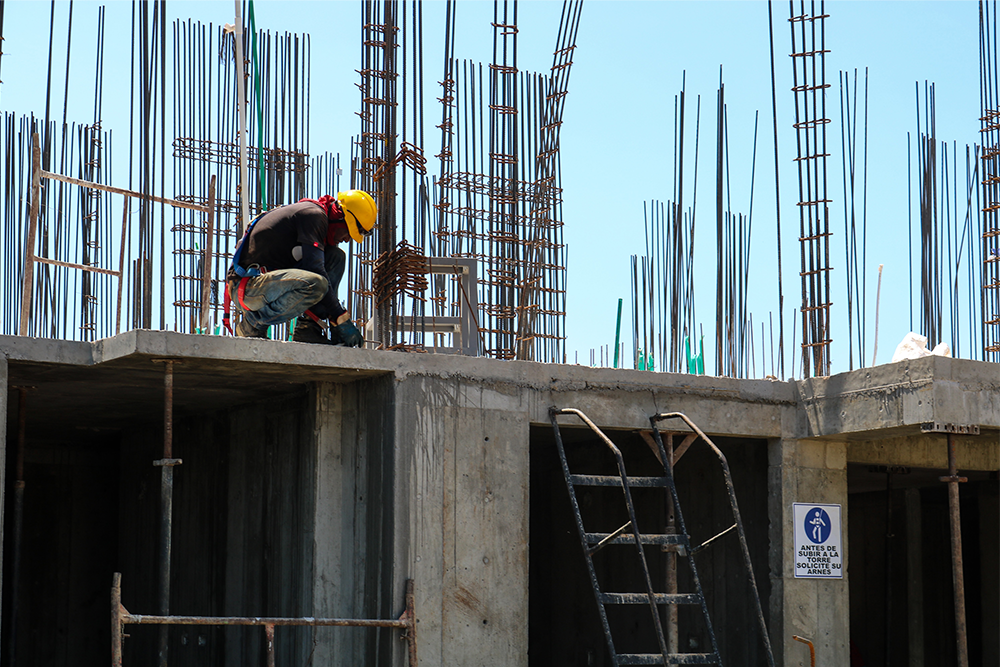
Inflation continues to soar globally, the IMF forecasts inflation will rise from 4.7 percent in 2021 to 8.8 percent in 2022. In India, wholesale inflation has remained in double digits for more than a year. The IMF now expects global growth to slow from 6.0 percent in 2021 to 3.2 percent in 2022 and 2.7 percent in 2023.

Global Infrastructure Hub has launched an international competition designed to disrupt the infrastructure industry through new digitally-driven solutions.
The document contains the key anti-money laundering and combatting financing of terrorism ( AML-CFT ) principles applicable to EIB Group activities and is in line with the principles of relevant EU legislation as amended and more.
InfraChallenge 2021 invited ideas for building and maintaining better, more resilient infrastructure. Discover who made the Top 20.

The global competition to accelerate the infrastructure industry has entered the next stage with assessment of all InfraChallenge applications now complete.
This guidance tool has been developed for governments that wish to enhance the viability of their PPP infrastructure projects.

