

922 results found
Featured results

More results
This benchmarking documents provides a preliminary analysis of infrastructure performance in Lesotho in four major sectors against the relevant group of comparator countries using a new World Bank international data base with objective and perception-based indicators of infrastructure performance from over 200 countries, this document outlines the deficiences in Lesotho in infrastructure.
 Download


Improving the delivery of capital works and maintenance of water networks is essential to improving access to water and to do this, we need to rethink how we deliver infrastructure. Sydney Water has done just this with their Partnering for Success framework.
 Improving Delivery Models

We speak with the Colouring Cities Research Programme’s Polly Hudson on how open platforms for building attribute data will help to solve common urban challenges, and help increase the quality, sustainability, efficiency, and resilience of buildings.
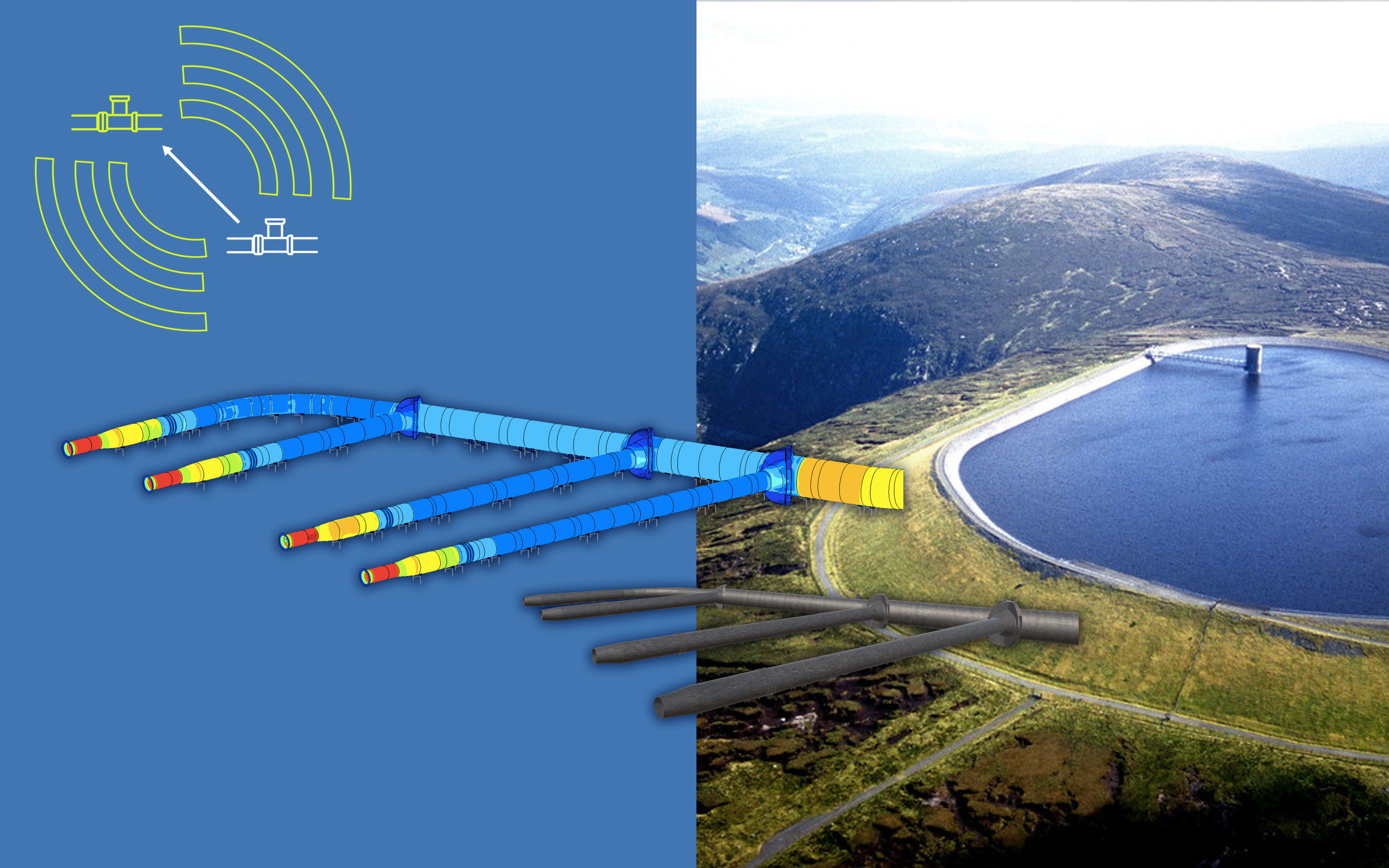
In 2019, Irish electricity company ESB was seeking a solution to help them understand the structural health of its 47-year-old Turlough Hill pumped storage station, which generates up to 292MW into the Irish grid during peak demand periods and – as Ireland’s only pumped storage station – has a crucial role in the country’s ongoing transition to renewable energy grid stabilisation.

Banks are leaders in structuring and financing private investment in new projects, however recent banking regulations discourage them from prioritising infrastructure
In this report, Marsh & McLennan Insights, the Inter-American Development Bank and IDB Invest review the progress of the six largest infrastructure investment markets in the Latin American and the Caribbean region (the LAC6) in the recovery period following the Lava Jato investigation – the period from 2016 until the present. This report will evaluate private investment prospects in infrastructure based on transparency reforms and project pipeline initiatives offered by the region’s governments. The report will additionally outline a selection of key financing and risk solutions available to private investors to ensure project bankability in the region.

Drawing on current global developments, GI Hub CEO Marie Lam-Frendo offers five recommendations for how governments can act within the 4Ps of planning, policy, performance, and partnership to leverage infrastructure for economic and social outcomes, and to support the low-carbon transition.
This study examines the potential role of the Central Asia Regional Economic Cooperation (CAREC) Program in improving aviation in the region.

Automated Robot Cranes (ARC) with Artificial Intelligence (AI) to perform tasks autonomously to avoid collisions, accidents and delays during operations.

Automated welding technologies used for pre-fabrication of pipes, tanks and treatment plants to reduce construction costs and project timeframes.
The Australian Infrastructure 2019 Audit covers transport, energy, water, telecommunications and for the first time social infrastructure, and looks at the major challenges and opportunities facing Australia s infrastructure over the next 15 years and beyond. They have presented their findings in terms that matter to users, by focusing on outcomes for them. The hope is that this enhanced focus on users, and the role infrastructure can play in improving their quality of life, helps to drive better decisions that are rooted in the long-term interests of Australians.
 Link
Link

Augmented Reality (AR) and Virtual Reality (VR) can be used to deploy training programs and assist workers in performing asset inspections and maintenance works.
This publication discusses issues that characterise PPPs from the project selection stage until after the contract is signed.
This publication identifies specific infrastructure and utility service reform measures that can be taken to advance the interests of the poor.
Through maps, charts and images, the Atlas combines scientifically reliable data sources to provide a complete view of Africa’s energy needs, resources and opportunities.
This study reviews African Project Preparation Facilities, providing recommendations for their enhancement.
This book questions the premise that Public-Private Partnerships (PPPs) have a performance advantage over traditionally procured projects. It examines novel research comparing the differences in performance between PPP and traditionally procured infrastructure projects and thoughtfully scrutinises the supposed advantages of PPPs.
The paper discusses project preparation and procurement approaches adopted in Latin America and the Caribbean and how sustainability is incorporated into these.
The objective of this study is to was to analyze how processes of social exclusion created barriers to social mobility among the poor in Brazil, the better to identify some policy levers or interventions that could be used to remove those barriers and contribute to more effective poverty alleviation and social inclusion.

Climate change poses a significant threat to infrastructure, with rising sea levels, extreme weather phenomena, and escalating temperatures posing substantial physical risks. These hazards can lead to the degradation of crucial infrastructure assets, undermining social, economic, and environmental stability. Recent analysis by EDHECInfra, as featured in the Global Infrastructure Hub's Infrastructure Monitor report, underscores the scale of the situation. Projections based on current climate and policy scenarios indicate that by 2050, infrastructure assets could see a net value decline of 4.4% on average, and up to 26.7% in the most severe scenarios. This depreciation is a direct consequence of the lack of resilience of global infrastructure to the effects of climate change. The consequences of inaction are far-reaching, affecting not just the financial performance of assets, but also the economic, environmental, and social fabric of communities worldwide. One promising strategy to mitigate these risks involves the adoption of a systemic resilience metrics (SRM) framework tailored specifically to infrastructure.

