
Publications
509 results found
In just a few years, ESG, also known as sustainable or responsible investing, has moved from a slightly idealistic nicheto front-page, a mainstream dimension for investors, one that strongly influences the performance and resilience of their investment over time. This is particularly the case in infrastructure, in view of its wide reaching and long-term consequences for the community.
 View Report (PDF)

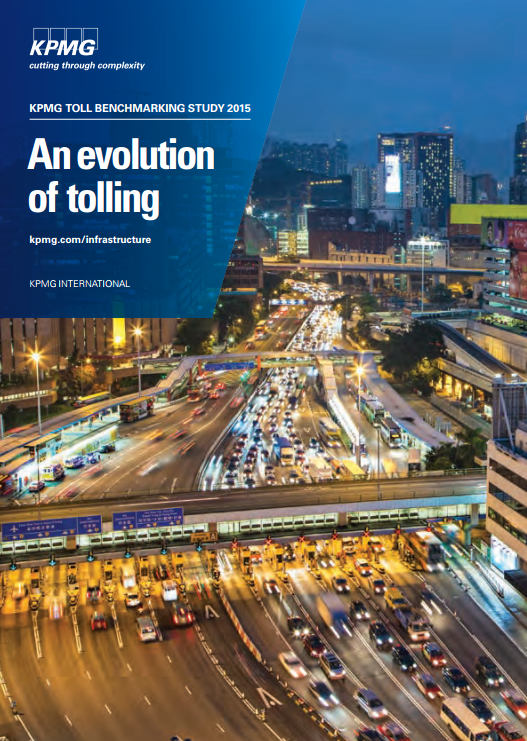
The efficiency of toll roads is important. Not just for tolling operators, but also for governments, investors and the driving public.
The Joint MDB Statement for Crowding-in Private Finance builds on the previously approved Principles for MDBs’ Strategy Crowding-in Private Sector Finance for Growth and Sustainable Development, and the 2016 Joint Declaration of Aspirations on Actions to Support Infrastructure Investment.
In a recent study, we looked at the economic effects of the EU’s external aviation policy with third countries, focusing on 27 countries with which the EU has Air Services Agreements with varying degrees of liberalization.2
This guidance note will help define core areas of support and set the course for ADB's country partnership strategy investments in irrigation and assists.
The paper discusses general trends in involving the private sector in public projects, PPPs and asymmetric information, and policy conclusions.
This OECD paper provides a stocktake of investor practices and adoption of Environmental, Social, and Governance (ESG) in their investment processes.
This publication outlines the current efforts of the Asian Development Bank to promote sustainable infrastructure in Asia and the Pacific, looking at how lives can be improved with regards to infrastructure in the energy, transport, water & waste, communcations technology areas.
This policy brief outlines promising ideas to attract instiutional investors to pay for infrastructure they have not convinced pension funds or affluent individuals to invest, especially in emerging economies with untested issuers, The “tax-kicker” bond being proposed here could solve this issue.
This paper is intended to capture the main lessons learned from conducting Open Data Readiness Assessments and assisting countries with their implementation.
The iRAP case studies showcase activities that are saving lives and preventing serious injuries on roads.
 Link
Link
Overall, the study has taken a broad approach to defining Open Access to Transmission and Distribution grids - going well beyond the minimalist notion of simply guaranteeing legal access to the grid for generators and wholesale buyers.

Overall, the study has taken a broad approach to defining OA - going well beyond the minimalist notion of simply guaranteeing legal access to the grid for generators and wholesale buyers.
This document carries out analysis in several countries to identify the role of small-scale providers (SSP) of water and sanitation services, as well as why these small scale providers exist and their experiences in Peru.
The goal of this paper is to describe the common features of small scale providers, propose common typology for describing and classifying different types of SPSPs, assess the scale and knowledge of SPSPs and compare patterns and trends in small scale water supply and electricity services.

This paper provides an overview of the IaDB-designed approach to monitoring rural water supply service delivery.
This report outlines how policy makers should focus on improving access to safely managed wastewater management services, providing several revelant examples from the region of Japan.

This paper provides a comprehensive overview of the issues, policies, and political economy of infrastructure investment, and a review of empirical literature of the relationship between growth and infrastructure within Asia.

