

956 results found
Featured results

More results

Recently, the GI Hub coordinated a discussion of asset recycling as part of a presentation to fellows of the ASEAN Sustainable Leadership in Infrastructure Program.
"We have multiple gaps to fund, requiring not billions, but trillions"
Transformative changes are needed to unlock infrastructure financing and fill multiple gaps in financing climate, biodiversity, and infrastructure gtargets.
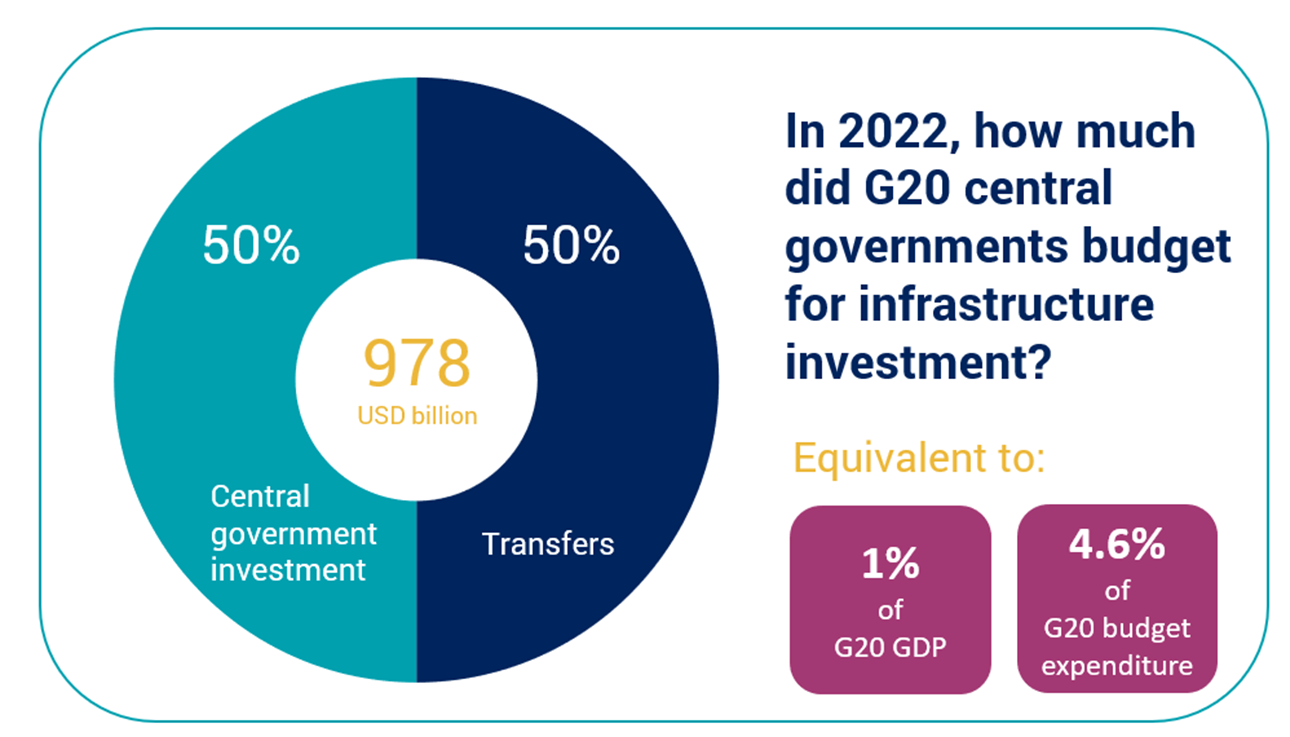
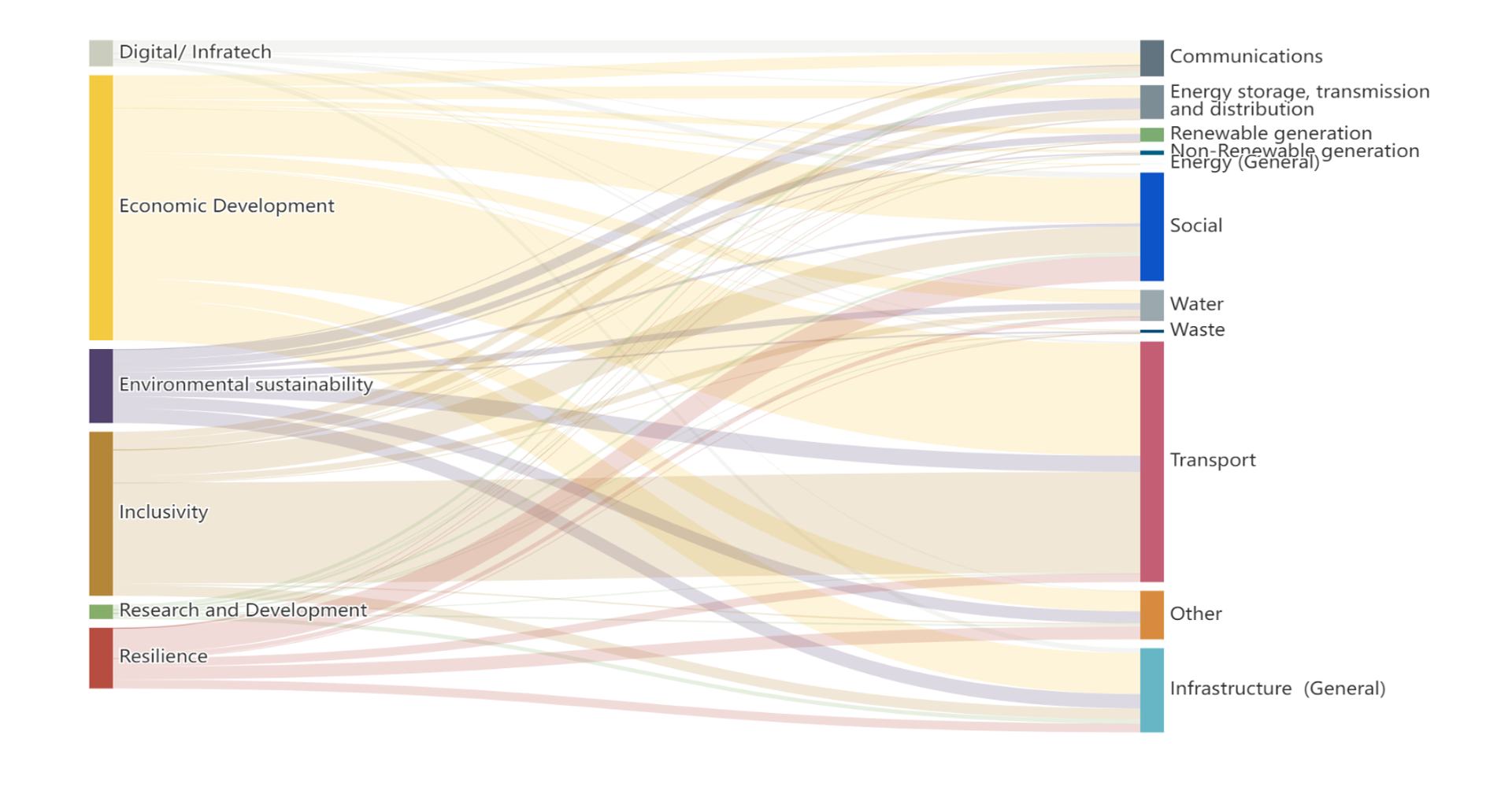
The GI Hub’s InfraTracker aims to help address this data gap by analysing public investment data presented in G20 government budgets


Comparison of InfraTracker data with private investment figures in Infrastructure Monitor also indicate that, in general, governments are the driver of investment in all infrastructure sectors except for energy.
Infrastructure investment undoubtedly has a strong impact on economic growth and development.

In response to a call for submissions issued by the GI Hub and eight multilateral development banks (MDBs) in March 2023, nearly 50 technology providers submitted solutions to make roads more sustainable in emerging markets.
 InfraTech Call for Submissions

The GI Hub is helping ‘connect the dots’ among governments, technology providers, and investors to scale up technological adoption and seize the opportunity for more sustainable roads. Here, we discuss why this is important and what we aim to achieve.

The credit risk metrics for infrastructure debt improved during the COVID-19 pandemic, while those for non-infrastructure debt worsened. The performance of infrastructure loans demonstrates that infrastructure assets are resilient to adverse economic scenarios like pandemics.
 Infrastructure Monitor 2022 report

In this article, the authors explore the successes and failures of the built environment’s digital transformation to date, why the Smart City concept is necessary but not sufficient and 3 steps for achieving the Adaptive City of the future – one which works for everyone.

Today the GI Hub has released Transition Pathways to Sustainable Infrastructure, a new resource to help governments shape future infrastructure to meet global climate targets and the UN Sustainable Development Goals with practical, accessible research and open consultations.

This article examines what trends like slowing globalisation, trade wars, politicisation of trade, and 'friendshoring' mean for infrastructure.

Public investment is 83% of all investment in infrastructure, and lack of data about how this investment is prioritised and allocated impedes private participation and investment. The GI Hub’s InfraTracker is the first annual tracker of public investment in infrastructure for the G20. This article delves into how we estimate public investment priorities, and why doing so isn’t as straightforward as it may seem.
With infrastructure responsible for 79% of global GHGs, JETPs have great potential to rebuild trust among stakeholders and help mobilise private climate finance to support the climate transition and sustainable infrastructure development broadly. The JETP platform offers a valuable sandbox to co-create and validate new approaches and innovations while firming up political will

Drawing on current global developments, GI Hub CEO Marie Lam-Frendo offers five recommendations for how governments can act within the 4Ps of planning, policy, performance, and partnership to leverage infrastructure for economic and social outcomes, and to support the low-carbon transition.

McKinsey interviews our CEO, Marie Lam-Frendo about key strategies to help infrastructure leaders to attract private investment and meet net zero goals
 Read the full interview

Interrelated challenges are common bottlenecks in the planning process for linear infrastructure designed to address climate change. This article explores how the Linear Infrastructure Planning Panel is enabling InfraTech for accessible decisionmaking.

The carbon finance market is evolving rapidly but is fragmented and complex. With project and political risks affecting the private sector’s willingness to enter new carbon markets, what can governments of developing countries do to scale up participation?

Our co-authored article with the Wilson Center explains how emerging and developing economies can create an enabling environment for private investment by de-risking at the country level

Banks are leaders in structuring and financing private investment in new projects, however recent banking regulations discourage them from prioritising infrastructure

The higher risk profile of greenfield infrastructure, and lack of investment-ready project pipelines, make it challenging to deploy private investment to greenfield infrastructure.

