

956 results found
Featured results

More results
Join the GI Hub and Asian Infrastructure Investment Bank for a webinar that will present the case for investing in infrastructure technology (InfraTech) to support the transition to net zero.
This study examines all aspects of the digitalisation of infrastructure for a sustainable future
 Read the study

This book questions the premise that Public-Private Partnerships (PPPs) have a performance advantage over traditionally procured projects. It examines novel research comparing the differences in performance between PPP and traditionally procured infrastructure projects and thoughtfully scrutinises the supposed advantages of PPPs.
 View the book

In 2021, private investment in infrastructure projects in primary markets recovered to its pre-pandemic level but remains stagnant and far shy of what is needed to close the infrastructure investment gap.
 Infrastructure Monitor

A summary of the first G20 Infrastructure Working Group meeting under the Indian G20 Presidency in January 2023

Watch our CEO Marie Lam-Frendo explore solutions and challenges for decarbonising the transport sector in the latest episode of CNBC's 'Greenprint for a Sustainable Future’ series.
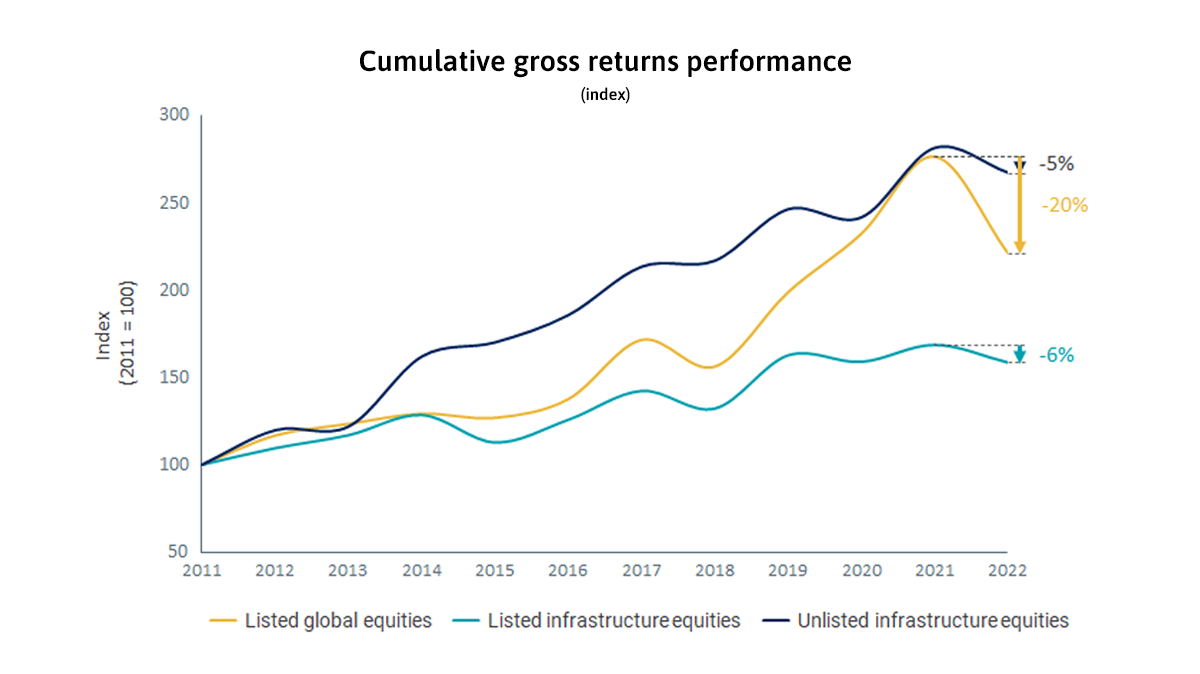
Infrastructure equities provide stronger protection against inflation shocks than the broader equity market. During the rapid inflation shocks in 2022, the return on infrastructure equities was more resilient than that on global equities, which drove private fundraising for infrastructure to record levels.

What qualifies as critical infrastructure, and what can governments and industry do to increase its resilience? We spoke to four experts for their perspectives.
This report was produced by an expert panel tasked with independent review of multilateral development banks’ capital adequacy frameworks. This panel was convened by the G20 to provide benchmarks to evaluate MDB capital adequacy frameworks and to enable stakeholders to develop a consistent understanding and consider potential adaptations to maximise MDBs' funding capacity.

The first meeting under the Indian G20 Presidency of the G20 Finance Ministers and Central Bank Governors in Bengaluru, India was a productive meeting, despite the ongoing problems evident on the global stage. Our CEO Marie Lam-Frendo discusses the outcomes.

In partnership with seven MDBs, the GI Hub has issued a Call for Submissions for technology-enabled solutions for sustainable roads. The program will provide governments and investors with a pipeline of technology-enabled solutions to make roads more sustainable, and will give technology solution providers an opportunity to pitch their solutions to MDBs for use on current and future road projects.
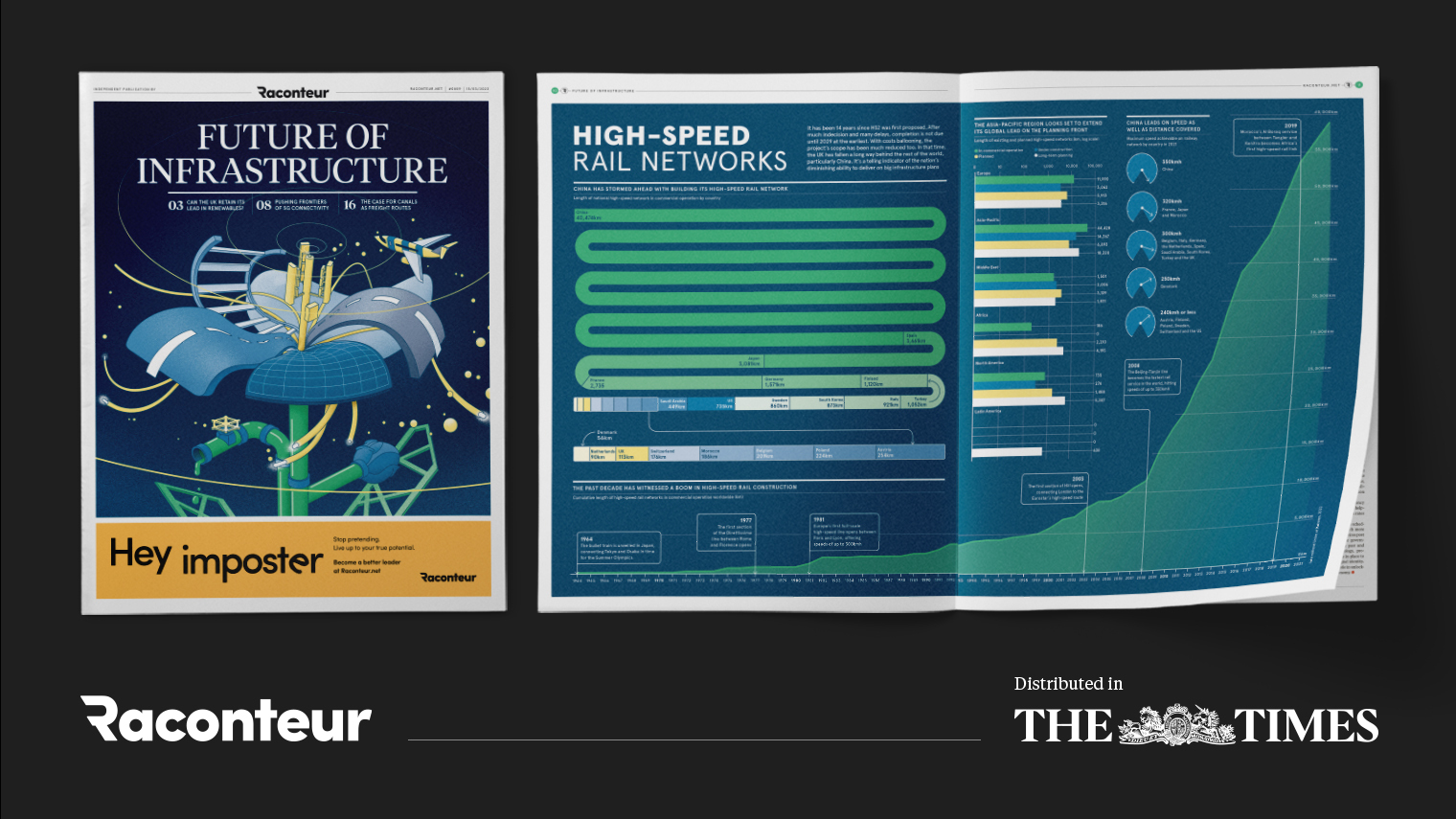


Despite the turmoil in the banking sector, now is not the time to become more risk averse about investing in infrastructure.

Infrastructure definitions and classifications (taxonomies) have a huge impact on how much gets invested in infrastructure and what types of infrastructure get this investment. This week the G20 and GI Hub held a roundtable on infrastructure taxonomies to explore how they can be used to help close the infrastructure investment gap.

The Coalition for Climate Resilient Investment (CCRI) today announced that it has successfully completed the transfer of its portfolio of government and investor-focused climate tools, solutions, and financial instruments to not-for-profit partners. Supported by the CCRI board, the GI Hub is intended to take the role of Secretariat, responsible for collaborating with and supporting the CCRI legacy partners who will continue delivering the core programs begun by CCRI.
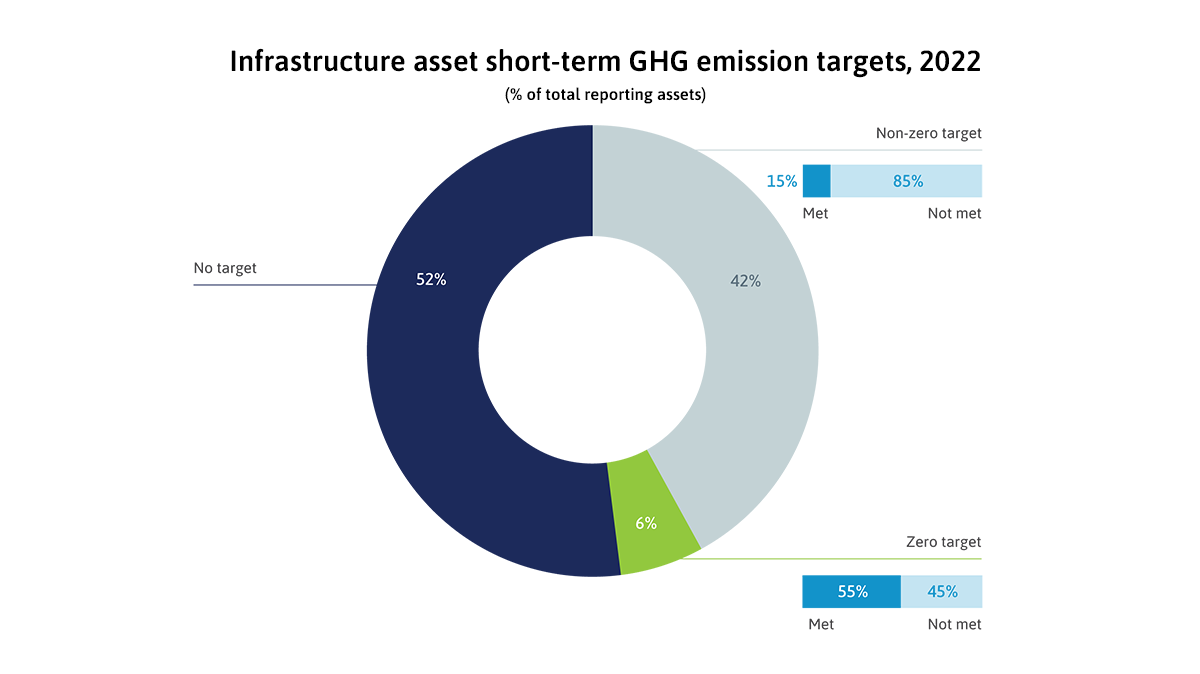
In 2022, infrastructure assets improved their ESG scores in all three pillars of ESG. The scores are encouraging, but they do not mean the assets themselves are more sustainable.

This article reviews five economic shocks that are worsening the bankability of new infrastructure projects, and eight approaches to improve bankability and get projects off the ground.

This article breaks down the blockers to InfraTech adoption and why they occur. Use this article to deepen your understanding of the repercussions of problems like poorly defined value cases and disparate interests among parties across the timeline.

InfraTracker is an open access tool that shows how much governments invest in infrastructure, and how they allocate this investment. It is the first tool of its kind and scale to be developed with the cooperation of G20 governments.

